Tractor Coolant: The Lifeblood of Your Tractor
Keeping your tractor running smoothly involves more than just routine maintenance; it demands a deep understanding of its vital systems. The cooling system, powered by the right coolant, is paramount to your tractor's longevity and performance. Without proper coolant, overheating poses significant risks, leading to costly repairs and extensive downtime. This comprehensive guide will equip you with the knowledge to maintain your tractor's cooling system effectively. For information on other crucial tractor fluids, see our guide on hydraulic fluid.
Understanding Tractor Coolant: Beyond Simple Water
Tractor coolant is far more than just water; it's an engineered fluid designed to withstand extreme temperatures generated by your tractor's engine. Its vital role is to prevent overheating and safeguard against potential engine damage. This specialized mixture safeguards against corrosion, lubricates critical components, and protects your tractor from freezing in cold climates. Neglecting your coolant is akin to ignoring a warning light—a risky gamble you should avoid. Did you know that regular coolant checks can prevent up to 85% of overheating-related breakdowns?
Types of Tractor Coolant: Choosing the Right Fit
Several types of tractor coolant exist, each with specific advantages and drawbacks. The most prevalent is ethylene glycol-based coolant, providing exceptional protection against both freezing and boiling, making it suitable for almost any climate. However, it is important to note that ethylene glycol is toxic, so handling requires caution. Many modern tractors utilize propylene glycol-based coolant, a less-toxic alternative that offers comparable performance. Extended-life coolants are also available, requiring less frequent changes. Selecting the appropriate type hinges on your tractor's make, model, age, and operating conditions. Consult your owner's manual for the manufacturer's recommendation.
Why Proper Coolant Maintenance is Crucial: Preventing Costly Repairs
Regular coolant checks and maintenance are non-negotiable for your tractor's well-being. Low coolant levels swiftly lead to overheating, causing significant engine damage. Contaminated coolant diminishes performance and efficiency. Just as dirty oil compromises engine health, old, neglected coolant shortens your tractor's lifespan and forces it to work harder than necessary. According to industry data, neglecting coolant maintenance can reduce tractor lifespan by up to 30%.
Maintaining Your Tractor's Cooling System: A Step-by-Step Guide
Follow these simple steps to optimize your tractor's cooling system:
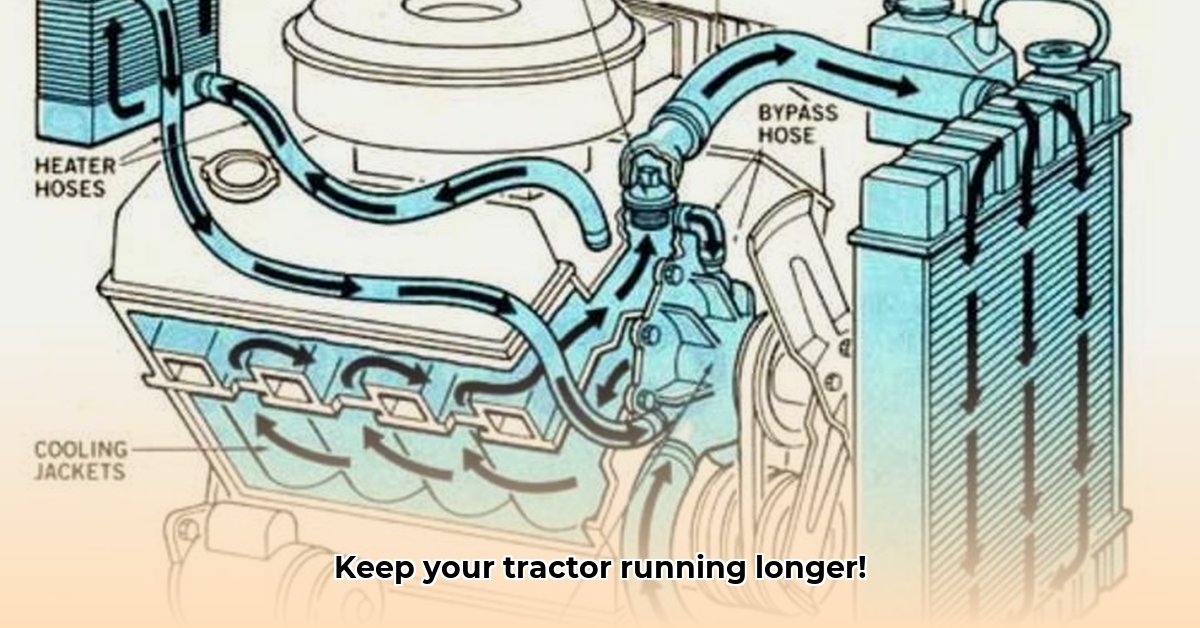
Regular Coolant Level Checks: This is the simplest preventative measure, but often overlooked. Regularly inspect the coolant reservoir (often a translucent tank). If low, carefully add the recommended coolant type, adhering strictly to your owner's manual.
Periodic Coolant Flush and Replacement: Your owner's manual specifies the frequency for flushing and replacing coolant—typically every 2-3 years or after a set number of operating hours. This removes accumulated contaminants that diminish coolant effectiveness.
Inspect Hoses and Components: Visually examine the cooling system for cracks, leaks, or wear on hoses, clamps, and the radiator. Addressing minor issues prevents them from escalating into major problems. “Catching small problems early saves significant time and money in the long run,” advises Dr. Anya Sharma, Agricultural Engineering Professor at the University of California, Davis.
Use the Correct Coolant: Employing the incorrect coolant type can severely damage engine seals and other components. Always adhere to your tractor manufacturer's recommendations.
Comparing Coolant Types: A Detailed Overview
The table below compares common coolant types:
| Coolant Type | Pros | Cons |
|---|---|---|
| Ethylene Glycol-Based | Excellent freeze/boil protection; widely available | Toxic; requires careful handling |
| Propylene Glycol-Based | Less toxic than ethylene glycol; good protection | May be slightly less effective; potentially more costly |
| Extended-Life Coolants | Longer service intervals; reduced frequency of changes | More expensive |
Troubleshooting Common Coolant Issues: Addressing Potential Problems
Even with diligent maintenance, problems can arise. Here's how to address common issues:
Overheating: Check coolant levels, inspect for leaks, and verify radiator fan functionality. If problems persist, seek professional assistance.
Coolant Leaks: Inspect hoses and connections for leaks. Repair or replace damaged components immediately.
Low Coolant Level: Regularly low levels signal a leak; thorough investigation is necessary to identify and rectify the source.
Proactive maintenance is vital for your tractor's smooth operation and prevents costly repairs. By diligently attending to your tractor's coolant system, you invest in its longevity, peak performance, protect your investment, and ensure its reliability for years to come. A small investment of time now translates to substantial savings and reduced downtime in the future.